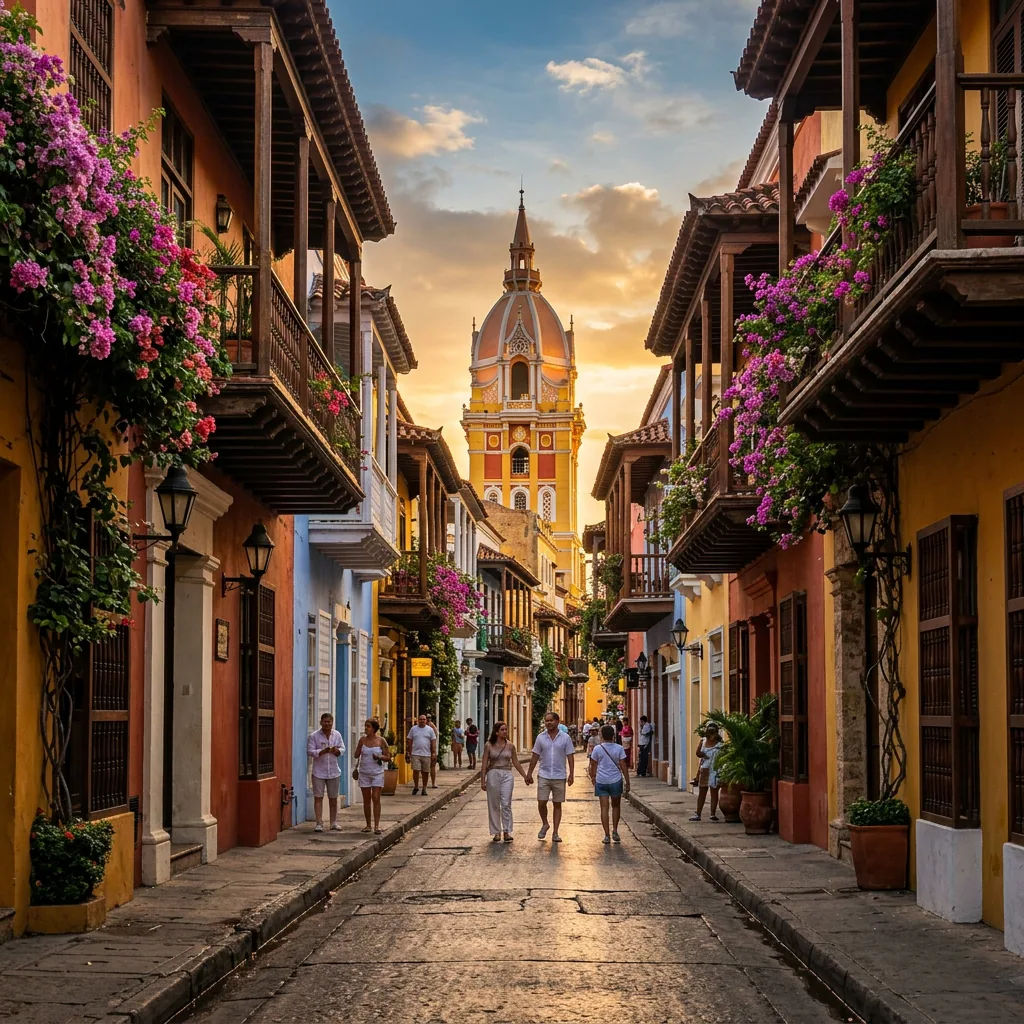
The best Cartagena tour depends on what you cannot understand easily on your own. Book a small-group historic walk for context, a community-led Getsemaní or food experience for local perspective, a guided fortress visit if military history matters, and a properly documented boat trip only when you want the Rosario Islands. In 2026, compare the guide, group size, exact inclusions, operator registration, meeting point, and cancellation policy before paying.
This guide helps you choose rather than simply listing attractions. Start with the Cartagena city planner, place the old city on the interactive Colombia map, and use the Colombia tours hub to compare Cartagena with other destinations. Destination-specific hotel and activity options appear after the guide.
Which Cartagena Tour Actually Fits Your Day?
A first-time visitor with one full day should normally choose one city experience, not stack several tours. A two- to three-hour morning walk leaves time for lunch and an independent sunset on the walls. A fortress visit can follow on another morning. An island excursion occupies most of a day and should not be combined with a fixed evening booking because sea and road conditions can delay the return.
- Historic-center walking tour: Best for orientation, architecture, colonial history, and the relationship between the port and its fortifications.
- Getsemaní or community experience: Best for street art, Afro-Caribbean identity, neighborhood history, and present-day culture. Choose a guide who explains community relationships rather than treating residents as scenery.
- Food or market tour: Best for travelers who want help ordering regional dishes or navigating a busy market. Ask exactly how many tastings, drinks, transfers, and dietary adaptations are included.
- Castillo San Felipe tour: Best for visitors who want the tunnels and military design explained. Confirm whether admission and transport are included.
- Rosario Islands day trip: Best for a full sea day. Boat type, departure dock, island stops, insurance, park charges, lunch, and return time matter more than a generic “five-island” label.
Historic Center, Getsemaní, and Fortress Tours
The Walled City is walkable independently, but a good guide connects plazas, trade, fortifications, religion, slavery, independence, and modern tourism without turning the visit into a list of dates. The official Cartagena historic-center guide from Colombia Travel describes a UNESCO-recognized center surrounded by an eight-kilometer wall and recommends at least two hours. UNESCO's Port, Fortresses and Group of Monuments listing provides the heritage context behind that status.
Ask where the walk starts and ends, whether shade or indoor stops are planned, and how the guide handles Cartagena's heat. Open the Torre del Reloj marker before meeting your group. If the itinerary includes Castillo San Felipe, check whether it is a real guided visit or only a photo stop; the fortress marker shows its position outside the Walled City.
Food, Community, and Evening Experiences
Getsemaní, Bazurto, and street-food tours can add the most value when the guide has a genuine relationship with vendors and residents. Look for small groups, named tastings, hand-washing opportunities, a clear transport plan for markets, and a realistic finish point. A cheap tour is not a bargain if tastings, transfers, or guide gratuities become surprise charges.
For any paid tourism service, search the business or guide in Colombia's official Registro Nacional de Turismo. Registration does not replace judgment, but it gives you a basic verification step before sending money. For evening experiences, favor a central meeting point, confirm how you will return to your accommodation, and read recent reviews for the exact product rather than the operator's overall profile. Compare bases with the where-to-stay planner before booking a late finish.
Rosario Islands and Sea-Day Tours
Island tours require a different checklist from city tours. The Rosario and San Bernardo archipelagos form a protected marine area, and Colombia's National Parks authority reported in June 2026 that visitor accident and assistance insurance is being verified under Resolution 273 of 2024. Review the current official insurance notice before departure rather than relying on an old screenshot of fees.
DIMAR, Colombia's maritime authority, advises travelers in Cartagena to use authorized tourist passenger departures and follow current safety instructions. Its Cartagena safety recommendations identify La Bodeguita and other authorized departure arrangements. Ask the seller for the vessel or operator name, dock, boarding time, life-jacket policy, insurance, park charges, exact islands or beach club, lunch, snorkeling equipment, weather cancellation terms, and scheduled return.
Do not assume every “Rosario” product offers quiet beaches or reef snorkeling. Large speedboats, party boats, beach-club transfers, snorkeling trips, and private charters serve different travelers. Use our Rosario Islands day-trip comparison, Colombia islands planner, beaches hub, and Rosario map marker before choosing.
Practical Tips
- Book the guide, not just the title: Ask for language, group-size cap, guide credentials, accessibility, and the exact route in writing.
- Itemize the price: Confirm admissions, tastings, transport, insurance, park charges, equipment, lunch, and tips separately.
- Protect the middle of the day: Walking tours are more comfortable early or late. Carry water and use shade without blocking residents' entrances.
- Keep a weather buffer: Sea conditions can change. Avoid a non-refundable evening commitment after an island day.
- Save evidence: Keep the operator name, RNT result, written inclusions, receipt, meeting-point pin, and emergency contact offline.
- Use respectful photography: Ask permission before photographing residents, performers, vendors, or children, and agree on any fee first.
🕵️ Insider Secrets
- Walk first, book second: Spend your arrival evening orienting yourself; then pay for the experience that fills a real knowledge gap.
- Question vague island names: Ask for each stop by name and the planned time ashore. “Five islands” can mean brief boat passes rather than five beach visits.
- Use the fortress as a quality test: A serious history guide should explain how San Felipe connects to the bay and city walls, not merely point out tunnels.
The right Cartagena tour makes the city more legible and leaves enough unscheduled time to enjoy it. Compare scope, verify the provider, keep maritime excursions flexible, and book only the experience that adds context or access you would not have independently.
eSIM for Colombia
Avoid high roaming fees. Get instant 4G/LTE data with Airalo as soon as you land in Bogotá or Medellín.
- Instant Activation
- No Physical SIM Card
- Local & Regional Plans