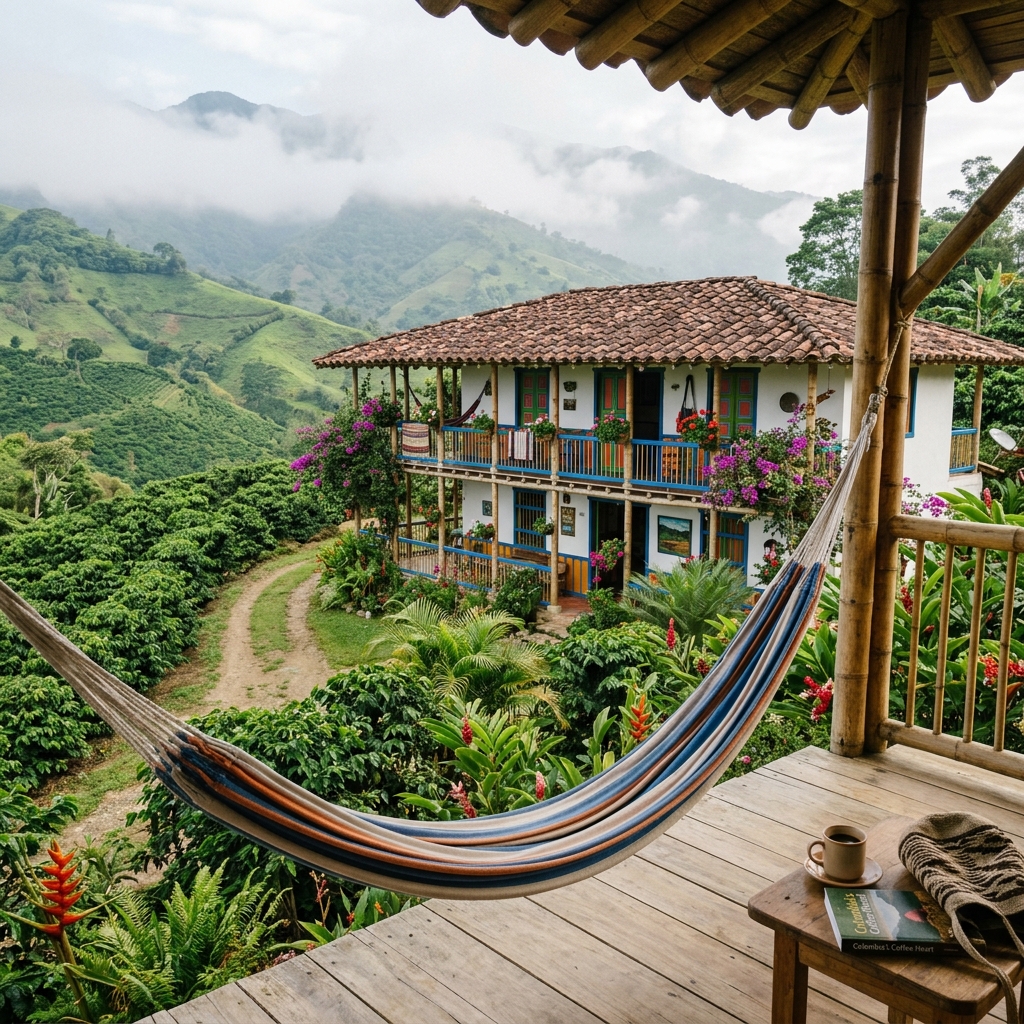
Colombia is a land of vibrant contrasts, where the mist-covered Andes meet the sun-drenched Caribbean coast and the depths of the Amazon rainforest. For the modern traveler, the true magic of this country lies not just in its landscapes, but in the way its people protect them. In 2026, choosing an authentic, sustainable stay is more than a trend; it is the perfect way to immerse yourself in the local rhythm while ensuring your environmental footprint remains light.
From high-altitude glamping in the páramos to traditional coffee fincas that have stood for generations, the variety of sustainable accommodation in Colombia is staggering. These properties are often designed as extensions of their natural environment, using local materials like bamboo (guadua) and reclaimed wood, while empowering neighboring communities through fair employment and cultural exchange programs.
What Defines a Sustainable Stay in Colombia?
Sustainability in the Colombian context goes beyond simple recycling programs or "no-towel-wash" signs. It is deeply rooted in the preservation of both tradition and biodiversity. Many of the country's most enchanting hotels and lodges are leading the way in environmental stewardship by implementing innovative solutions:
- Renewable Energy: Solar panels and small-scale hydroelectric systems are increasingly common in remote regions like the Amazon and the Pacific coast.
- Water Conservation: Advanced greywater recycling systems and rainwater harvesting help protect local watersheds in fragile ecosystems like the Tatacoa Desert.
- Community Integration: Truly sustainable stays prioritize hiring local staff, providing professional training, and sourcing goods and services from nearby families.
- Reforestation Projects: Many lodges in the Sierra Nevada and the Coffee Triangle dedicate a portion of their revenue to planting native tree species to restore corridors for wildlife like the Andean bear or the yellow-eared parrot.
Top Regions for Eco-Conscious Travelers
While you can find sustainable options throughout the country, several regions stand out for their concentration of high-quality, eco-certified accommodations:
The Sierra Nevada de Santa Marta
This isolated mountain range near the Caribbean coast is a hotspot for sustainable tourism. Here, you will find lodges that work closely with Indigenous communities like the Kogui and Arhuaco. Many properties are built into the hillside to minimize land disturbance and offer incredible views of the jungle canopy and the sea. It is the ideal place for "digital detox" retreats where you can wake up to the sounds of howler monkeys and toucans.
The Coffee Cultural Landscape
In the departments of Quindío, Risaralda, and Caldas, staying in an authentic coffee finca is a quintessential Colombian experience. Many of these traditional homes have been converted into boutique hotels that maintain their historical character while implementing modern sustainability practices. You can participate in the daily rhythm of the farm, learn about organic coffee production, and enjoy farm-to-table meals sourced from the property’s own gardens.
The Pacific Coast (Chocó)
For those seeking raw, untouched nature, the Pacific coast offers eco-lodges that are often only accessible by boat. Destinations like Nuquí and Bahía Solano feature stays that are built using traditional Afro-Colombian techniques. These lodges are particularly active in whale conservation and sea turtle protection programs, offering guests a chance to contribute directly to wildlife preservation during their stay.
Gastronomy: Farm-to-Table in the Tropics
One of the most rewarding aspects of sustainable travel in Colombia is the culinary experience. Eco-conscious properties prioritize sourcing ingredients from local organic producers or their own permaculture gardens. This results in a menu that celebrates the immense diversity of Colombian flavors—from exotic fruits like lulo and guanábana to world-renowned mountain-grown coffee and fresh, sustainably caught fish on the coasts.
Dining in these establishments is not just about the food; it is about understanding the origin of each ingredient and the hands that nurtured it. It is common for chefs to offer workshops on traditional cooking techniques, such as making arepas from scratch or preparing fish wrapped in bijao leaves.
Practical Tips for Planning Your Eco-Trip
Before you set off on your Colombian adventure, a little preparation goes a long way in maximizing your positive impact:
- Look for Certifications: In Colombia, the "Sello Ambiental Colombiano" is a good indicator of a property’s commitment to sustainability.
- Pack Consciously: Bring biodegradable toiletries, a reusable water bottle with a filter (to avoid plastic waste), and a dry bag for remote excursions.
- Respect Local Traditions: Always ask for permission before taking photos of people, particularly in Indigenous or rural communities, and be mindful of cultural sensitivities.
- Support Local Guides: When booking tours from your lodge, ensure the guides are from the local area. They possess the most profound knowledge of the terrain and history.
A Journey That Leaves a Lasting Legacy
Traveling sustainably in Colombia is about more than just a destination; it is about the stories you collect and the positive mark you leave behind. Whether you are sleeping in a luxurious treehouse in the Amazon or a cozy mountain cabin in the Andes, these authentic stays offer a sanctuary for the soul. By choosing to travel consciously in 2026, you are not just a visitor; you are a partner in the preservation of Colombia’s unparalleled natural beauty and rich cultural heritage.
eSIM for Colombia
Avoid high roaming fees. Get instant 4G/LTE data with Airalo as soon as you land in Bogotá or Medellín.
- Instant Activation
- No Physical SIM Card
- Local & Regional Plans
Stay in Where to Stay
Find top-rated hotels and deals. Best price guaranteed.
Explore Recommended Tours
Discover top-rated tours and activities. Book online for peace of mind.