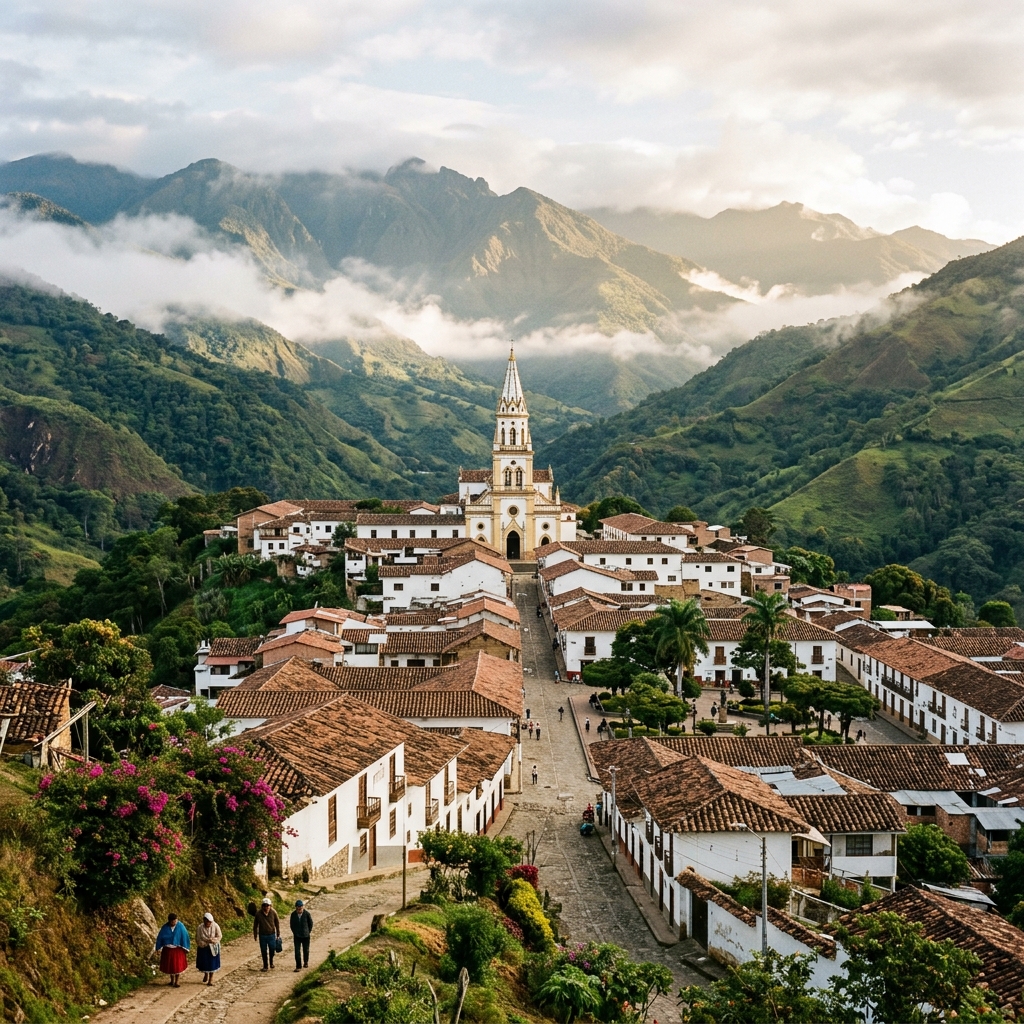
High in the Eastern Andes of Colombia, nestled in a valley carved by cooling mountain winds and centuries of tradition, lies the city of Pamplona. Known to many as the Ciudad Estudiantil or Student City, Pamplona offers a unique blend of experiences that are rarely found elsewhere in the country. While most travelers flock to the coastal beaches or the bustling urban centers of Medellin and Bogota, those who make the journey to this corner of the Norte de Santander department are rewarded with a rare glimpse into the heart of Colombian heritage.
Pamplona is not merely a stopover on the way to the Venezuelan border; it is a destination defined by its colonial architecture, its deep religious roots, and an intellectual energy provided by the prestigious University of Pamplona. In 2026, the city stands as a testament to the resilience and cultural richness of the Andean highlands, inviting visitors to slow their pace, walk through its cobblestone streets, and engage with a history that predates the founding of many major South American cities.
A Journey Back in Time Through Colonial Architecture
The history of Pamplona began in 1549, and walking through the city center feels much like stepping through a portal. Its designation as a national monument is well-deserved, characterized by a well-preserved historic district that retains the architectural standards of the Spanish colonial period. White-washed walls, terracotta-tiled roofs, and heavy wooden doors open into serene interior courtyards, offering refuge from the crisp mountain air.
The Religious Art Museum, housed in one of the city’s most significant colonial buildings, is an essential stop for any history enthusiast. It houses an extensive collection of viceregal artifacts, reflecting the city’s historical importance as a center of ecclesiastical power. The Cathedral of Santa Clara is another centerpiece, showcasing an imposing 18th-century structure that stands as a silent witness to the various cultural and political shifts the city has endured over the last five centuries. Unlike the tourist-heavy squares of other colonial towns, Pamplona’s plaza remains authentic, serving as a social hub for locals, university students, and elderly residents alike.
The Intellectual Pulse of the Andes
Perhaps what distinguishes Pamplona most from its neighbors is its identity as a citadel of learning. The University of Pamplona shapes the social fabric of the city, bringing a demographic of young, diverse scholars that keeps the local culture dynamic and forward-looking. This influence is palpable in the coffee shops near the campus, where lively debates on politics, literature, and art fill the air, and in the small local bookstores that dot the streets near the central plaza.
For the traveler, this student culture makes Pamplona exceptionally affordable and culturally vibrant. The presence of young minds ensures that there is always a sense of renewal within the old stone walls. Visitors often find that despite the centuries-old history, the city has a modern rhythm and an openness to new ideas, making it one of the most intellectually stimulating destinations in rural Colombia.
Nature and Adventure in the High Andes
Surrounding the city, the landscape of Norte de Santander is dramatic and humbling. At an altitude of approximately 2,300 meters above sea level, the climate is consistently cool, creating a refreshing environment for outdoor activities. The region is home to the Santurbán Páramo, a mysterious and vital ecosystem known for its unique frailejones—plants that look like something out of a science fiction film, thriving in the thin, misty air.
Hikers and trekking enthusiasts will find endless trails that lead into the rugged peaks surrounding the city to the east and west. Whether you are seeking a challenging climb to reach viewpoints that survey the entire valley or a gentle walk through the mountain pastures, the natural beauty of the region is breathtaking. The mist that often settles over the valley in the early morning gives the entire area a mystical, ethereal quality, providing photographers with some of the most striking subject matter in the Colombian Andes.
Practical Tips
- Pack for the Cold: Because of the high altitude, temperatures in Pamplona drop significantly in the evenings. Pack layers, including a warm jacket and a scarf, even if you are visiting during the day.
- Access and Connectivity: Most travelers reach Pamplona by ground transport from Cúcuta or moving south from Bucaramanga. The road is winding, so if you are prone to motion sickness, ensure you have medication and choose a seat toward the front of the vehicle.
- Dining Habits: Sample the local traditional dishes, particularly the mountain stews and the famous arepas of the region. The city’s student population supports a strong street food scene, which is both budget-friendly and highly recommended for authentic flavors.
- Academic Calendar: If you are looking for a quieter experience, try to visit during the university's break periods. If you want to experience the city at its most energetic, visit while classes are in session.
- Financials: While major cards are accepted in hotels, ensure you carry enough Colombian pesos in cash for the local markets, museums, and small artisan shops.
🕵️ Insider Secrets
- The Morning Fog Ritual: For the best atmospheric experience, head to the outskirts of the town at dawn. Watch as the fog clears over the historic cathedral spires—it is the quintessential Pamplona view.
- Student Cafeteria Culture: Ask a local student for their favorite "cafeteria" or coffee spot. Do not just stick to the main plaza; the best conversation and the most affordable, high-quality Colombian coffee can be found in the smaller cafes hidden in the residential blocks near the university.
- The Silent Sunday: Sundays in Pamplona are quiet and traditional. It is the perfect day to visit the public parks, join the local morning mass, or take a private tour of the small, family-run artisan workshops that are often closed during the week.
- Off-the-Beaten-Path Viewpoint: Ask a local cab driver or hostel host to point you toward the Alto de los Capirotes. It offers an unparalleled panoramic view of the entire valley and is rarely crowded with tourists.
- Mountain Honey and Sweets: Keep an eye out for local vendors selling honey produced in the high-altitude apiaries of the region. It has a distinct floral profile that you will not find in lower-altitude supermarkets.
Pamplona captures the essence of a Colombia that is both deeply rooted in its colonial past and vibrantly moving toward its future. It is a place that rewards the patient traveler—the one who is willing to trade the noise of the major cities for the quiet, crisp air of the Andes and the warmth of a community that has fostered intellectual and religious life for over 475 years. Whether you are drawn by the history, the promise of a quiet mountain escape, or the unique energy of an Andean student town, Pamplona remains an essential stop on your Colombian itinerary.
eSIM for Colombia
Avoid high roaming fees. Get instant 4G/LTE data with Airalo as soon as you land in Bogotá or Medellín.
- Instant Activation
- No Physical SIM Card
- Local & Regional Plans
Stay in Where to Stay in Paime
Find top-rated hotels and deals. Best price guaranteed.
Explore Recommended Paime
Discover top-rated tours and activities. Book online for peace of mind.